Best Hay for Horses: Organic Alfalfa vs Grass Hay
Organic Alfalfa vs Grass Hay
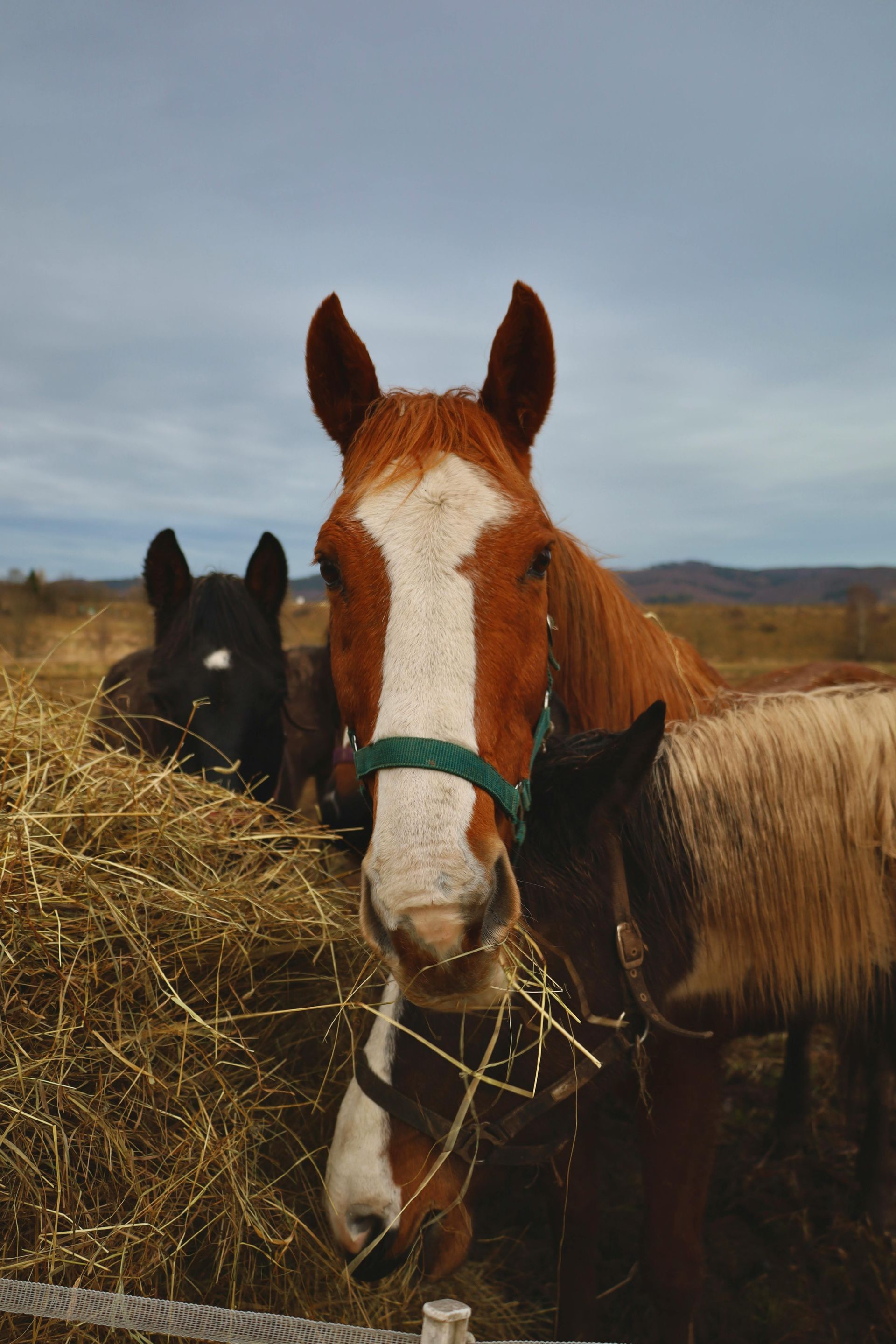
Choosing the best hay for horses is one of the most important decisions an owner or stable manager can make. Hay makes up the foundation of a horse’s diet, and the type, quality, and nutritional balance of that hay directly affect digestion, weight, performance, and overall health.
Two of the most common options horse owners consider are organic alfalfa hay and grass hay. While both can be excellent choices, they serve different purposes depending on the horse’s age, workload, metabolism, and health needs. This guide breaks down the key differences between organic alfalfa hay and grass hay so you can determine which option is best for your horses.
At Hidalgo Farms, horse-quality organic hay is produced with careful attention to nutrition, cleanliness, and consistency for horse owners throughout New Mexico.
Why Hay Quality Matters for Horses
Horses rely on forage for the majority of their daily caloric intake. Poor-quality hay can lead to digestive upset, weight loss or gain issues, respiratory irritation, and behavioral problems.
High-quality hay should provide:
- Consistent fiber for gut health
- Adequate protein without excess
- Low dust and mold levels
- Balanced energy for the horse’s workload
Whether choosing alfalfa or grass hay, quality matters more than hay type alone. Clean harvesting, proper curing, and responsible storage are essential.
Understanding Organic Alfalfa Hay for Horses
Alfalfa hay is a legume hay known for its high protein, calcium, and energy content. Organic alfalfa hay is grown without synthetic pesticides, herbicides, or genetically modified seed, making it a preferred choice for many horse owners.
Nutritional Characteristics of Alfalfa Hay
Organic alfalfa hay typically offers:
- Higher crude protein levels
- Increased calcium content
- Excellent digestibility
- High palatability
Because of these qualities, alfalfa hay is often used for horses with increased nutritional demands.
Horses That Benefit from Alfalfa Hay
Alfalfa hay is commonly fed to:
- Performance and working horses
- Pregnant or lactating mares
- Growing foals and young horses
- Underweight horses needing condition improvement
When fed appropriately, alfalfa hay supports muscle development, energy needs, and recovery.
Understanding Grass Hay for Horses
Grass hay includes varieties such as timothy, orchard grass, brome, and native grass blends. Grass hay generally has lower protein and calcium levels compared to alfalfa
Nutritional Characteristics of Grass Hay
High-quality grass hay provides:
- Moderate protein levels
- High fiber content
- Lower calorie density
- Steady energy release
Grass hay supports natural grazing behavior and is suitable for many adult horses.
Horses That Benefit from Grass Hay
Grass hay is often the best choice for:
- Easy-keeper horses
- Horses are prone to weight gain
- Horses with metabolic concerns
- Mature horses with light workloads
Grass hay allows these horses to consume adequate forage volume without excessive calories.
Organic Alfalfa Hay vs Grass Hay: Key Differences
Understanding the nutritional differences helps match the hay to the horse’s needs.
Protein Content
- Alfalfa hay: Higher protein, ideal for growth and performance
- Grass hay: Lower protein, suitable for maintenance diets
Energy Levels
- Alfalfa hay: Higher energy density
- Grass hay: Lower energy, helps prevent weight gain
Calcium Levels
- Alfalfa hay: High calcium, beneficial for certain horses but should be balanced
- Grass hay: Lower calcium, often easier to balance with concentrates
Feeding Flexibility
- Alfalfa hay: Often fed in smaller portions or blended with grass hay
- Grass hay: Can be fed free-choice for many horses
Is Organic Alfalfa Hay Safe for Horses?
A common misconception is that alfalfa hay is “too rich” for horses. In reality, organic alfalfa hay is safe for horses when fed correctly and matched to their nutritional needs.
Many owners choose to:
- Feed alfalfa hay in combination with grass hay
- Use alfalfa as a protein and calorie supplement
- Adjust portions based on workload and body condition
Working with a knowledgeable hay supplier helps ensure the correct balance.
The Importance of Organic Certification for Horse Hay
Organic certification provides assurance that the hay was produced under regulated standards. For horse owners, this means fewer unknowns in the feeding program.
USDA Certified Organic hay:
- Uses non-GMO seed
- Avoids synthetic chemical inputs
- Follows documented soil and crop management practices
- Is inspected annually
For horses with sensitivities or owners focused on natural feeding programs, organic hay offers added confidence.
Hay Cleanliness and Respiratory Health
Horses are especially sensitive to dust and mold. Poor-quality hay can contribute to coughing, heaves, and other respiratory concerns.
High-quality horse hay should be:
- Free from visible mold
- Low in dust
- Properly cured and stored
In dry climates like New Mexico, careful handling and storage prevent hay from becoming brittle or dusty. Organic hay that is harvested and baled correctly can be an excellent choice for respiratory-sensitive horses.
Feeding Alfalfa and Grass Hay Together
Many horse owners choose not to pick one hay exclusively. Feeding a combination of alfalfa and grass hay allows for flexibility and balance.
Benefits of blending hay types include:
- Balanced protein and energy intake
- Improved palatability
- Greater control over body condition
- Adaptability for seasonal workload changes
Blended feeding programs are especially popular for performance horses that need energy without excessive concentrates.
Choosing the Right Hay Based on Your Horse
The best hay for horses depends on several factors:
- Age and growth stage
- Workload and activity level
- Body condition
- Metabolic or digestive concerns
There is no one-size-fits-all answer. Evaluating your horse’s needs and adjusting hay selection accordingly leads to better long-term health.
Buying Horse Hay in New Mexico
Local sourcing plays an important role in hay quality. Buying hay produced in New Mexico allows for:
- Reduced transportation time
- Less handling and breakage
- Easier quality inspection
- Fresher bales
Peña Blanca is centrally located for horse owners in Albuquerque, Santa Fe, and the surrounding areas, making local pickup convenient.
Frequently Asked Questions About Hay for Horses
Is alfalfa hay better than grass hay for horses?
Neither is universally better. Alfalfa hay suits horses with higher nutritional needs, while grass hay is ideal for maintenance and easy keepers.
Can horses eat alfalfa hay every day?
Yes, many horses eat alfalfa hay daily as part of a balanced feeding program. Portion control is important.
Is organic hay worth it for horses?
Many owners choose organic hay for its consistency, reduced chemical exposure, and traceable production standards.
Should horses have hay available at all times?
Most horses benefit from consistent forage access to support digestive health, regardless of hay type.
Supplying Horse-Quality Organic Hay Locally
Reliable hay sourcing is essential for horse owners who value consistency and animal health. Working directly with a local farm provides transparency and dependable quality.
Hidalgo Farms produces horse-quality USDA Certified Organic alfalfa hay and organic grass hay options for buyers across New Mexico.
Location: 17 Acequia Road, Peña Blanca, NM 87041
Phone: (505) 659-3539
Email: pskrakmega@aol.com
Hours: Open daily from 8:00 AM to 8:00 PM