High-Protein Alfalfa Hay: Benefits for Livestock Health
How Alfalfa Hay Supports Healthy, Productive Livestock
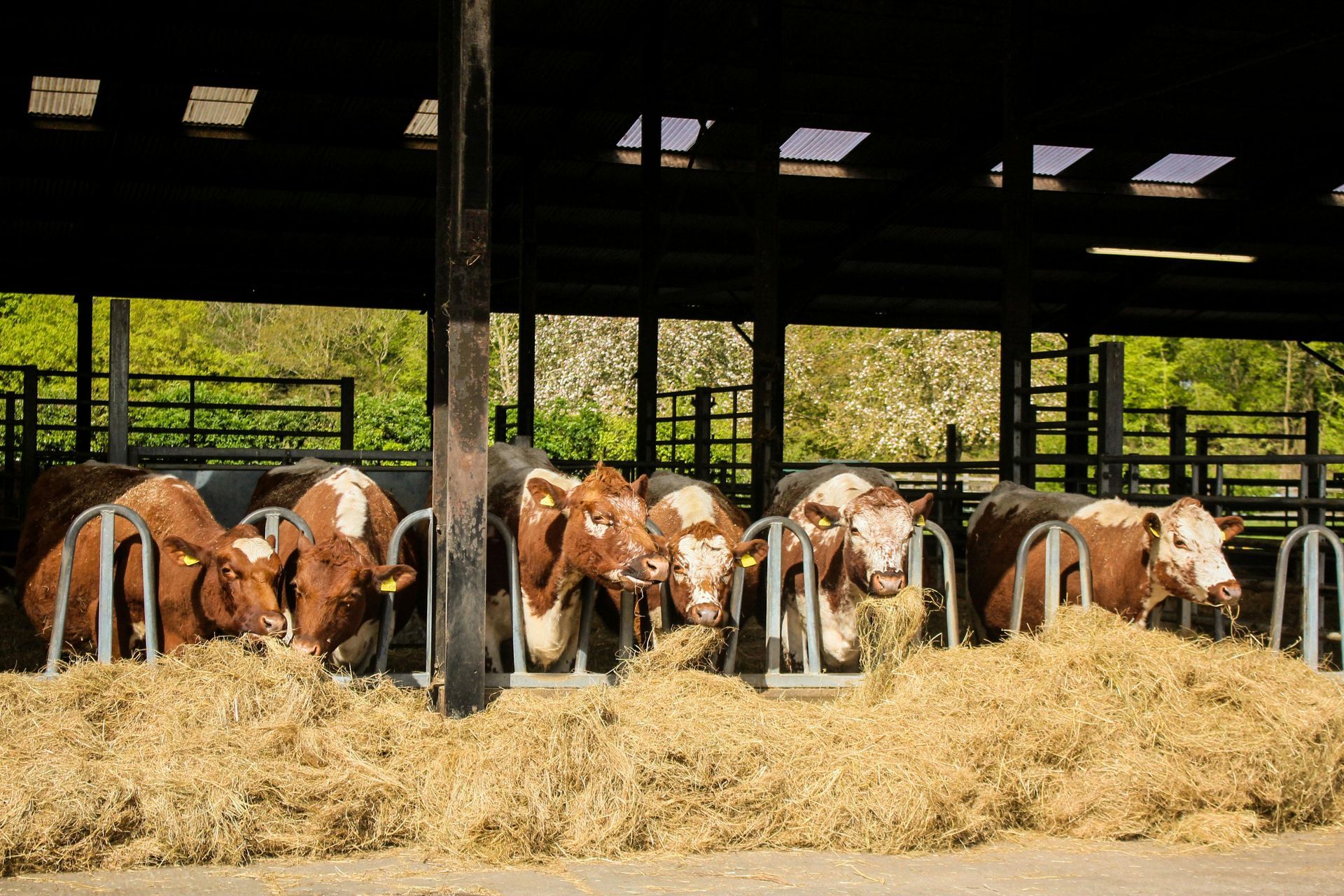
High-protein alfalfa hay plays a critical role in supporting livestock health, growth, and productivity. For ranchers, small-scale farmers, and animal owners, choosing the right forage is one of the most important feeding decisions. Protein levels, digestibility, and overall hay quality directly affect weight gain, milk production, reproduction, and long-term animal performance.
This article explains what makes high-protein alfalfa hay valuable, which animals benefit most from it, and how to recognize quality hay when buying locally in New Mexico.
At Hidalgo Farms, USDA Certified Organic alfalfa hay is produced with a focus on protein retention, cleanliness, and consistent nutritional value for livestock operations of all sizes
Why Protein Matters in Livestock Nutrition
Protein is essential for nearly every biological function in livestock. It supports muscle development, tissue repair, milk production, immune function, and overall growth.
When animals do not receive adequate protein, common issues can include:
- Poor weight gain or weight loss
- Reduced milk yield
- Weak muscle development
- Lower reproductive performance
- Dull coats and reduced vitality
High-protein forage like alfalfa hay helps meet these nutritional demands naturally, often reducing the need for supplemental feeds.
What Is Considered High-Protein Alfalfa Hay?
High-quality alfalfa hay typically contains between 15 and 22 percent crude protein, depending on cutting stage, soil quality, and harvesting practices.
Protein levels are highest when:
- Alfalfa is harvested at early bloom
- Leaves are well preserved during curing
- Hay is protected from moisture and excessive handling
Because most of the protein is stored in the leaves, leafy alfalfa with minimal stem breakage is a strong indicator of quality.
Benefits of High-Protein Alfalfa Hay for Livestock
High-protein alfalfa hay provides multiple benefits across different types of livestock.
Improved Growth and Weight Gain
Animals receiving adequate protein convert feed more efficiently. This is especially important for growing calves, lambs, kids, and young stock that require higher nutrient density to develop properly.
Increased Milk Production
For dairy cattle, goats, and sheep, protein intake is closely tied to milk yield and quality. Alfalfa hay supports consistent production and helps maintain body condition during lactation.
Better Reproductive Performance
Breeding animals benefit from balanced protein levels, which support fertility, conception rates, and healthy pregnancies.
Stronger Immune Function
Protein plays a role in immune response. Livestock fed high-quality forage are often more resilient to stress and illness.
Livestock That Benefit Most from High-Protein Alfalfa Hay
High-protein alfalfa hay is commonly fed to:
- Beef and dairy cattle
- Goats and sheep
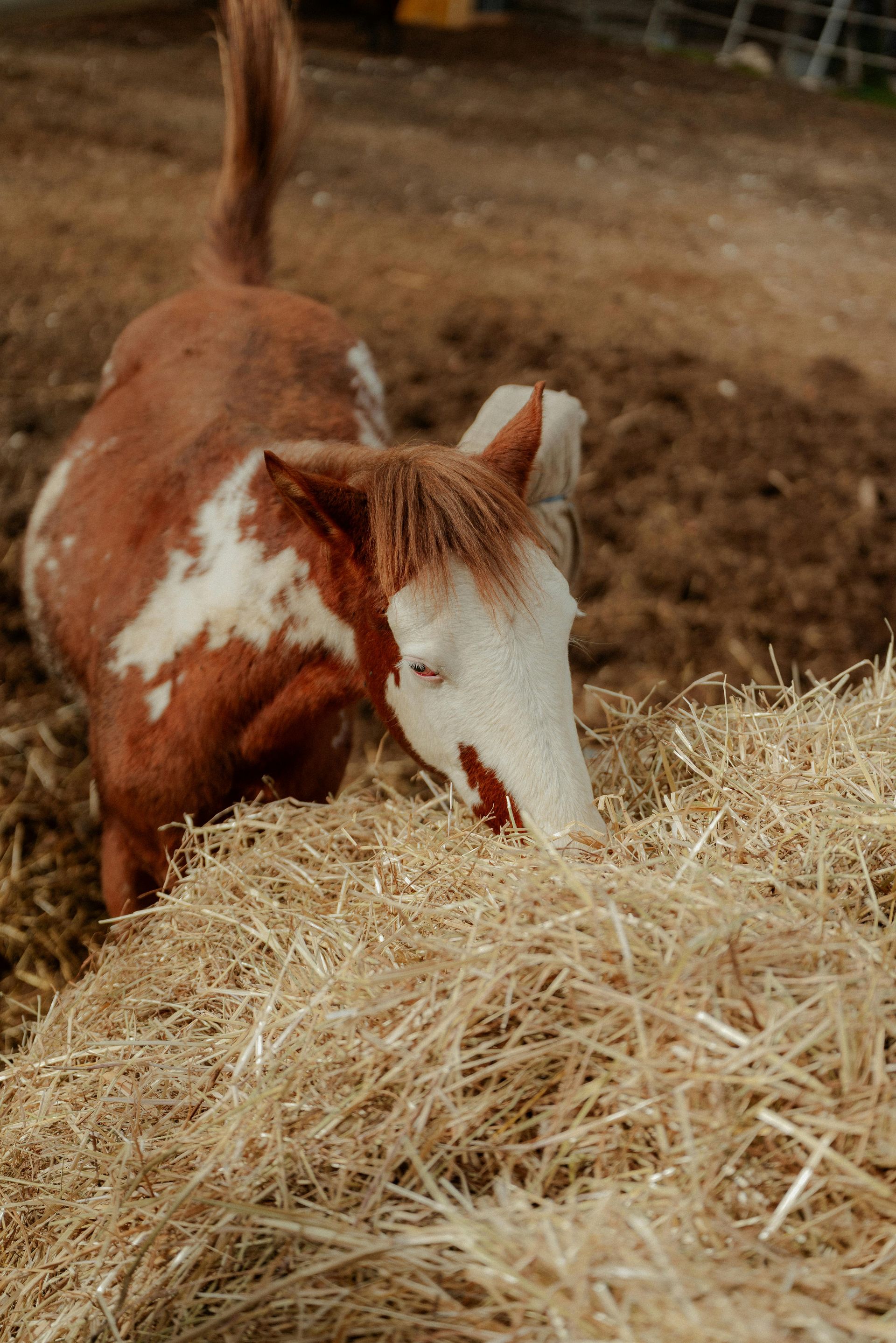
- Horses with higher workloads
- Pregnant or lactating animals
- Growing livestock and show animals
While alfalfa hay is highly beneficial, feeding rates should be adjusted based on species, age, and production stage.
Organic Alfalfa Hay and Protein Quality
Organic alfalfa hay offers additional advantages beyond protein percentage alone. USDA Certified Organic production standards prohibit synthetic fertilizers and genetically modified seed, which many buyers prefer for long-term herd health and natural feeding programs.
Organic hay production emphasizes:
- Soil health and nutrient balance
- Sustainable growing practices
- Clean harvesting and storage methods
These factors contribute to consistent forage quality and reliable protein availability.
High-Protein Alfalfa Hay vs Other Forages
Compared to many grass hays, alfalfa hay provides significantly higher protein and energy levels.
General comparison:
- Alfalfa hay: Higher protein, higher calcium, more energy
- Grass hay: Lower protein, higher fiber, lower calorie density
Grass hay works well for maintenance diets, while alfalfa hay is better suited for animals with increased nutritional demands.
Avoiding Overfeeding and Nutritional Imbalance
Although high-protein alfalfa hay is beneficial, overfeeding can lead to nutritional imbalances if not managed properly.
Best practices include:
- Matching hay type to animal needs
- Monitoring body condition regularly
- Blending alfalfa hay with grass hay when appropriate
- Adjusting intake during different production stages
Working with a knowledgeable hay supplier helps ensure proper feeding strategies.
How Climate Affects Protein Retention in Hay
New Mexico’s dry climate is well suited for preserving protein in alfalfa hay when harvesting and curing are done correctly. Lower humidity reduces mold risk and helps maintain leaf integrity.
However, improper storage can still reduce nutritional value. Hay should be:
- Stored off the ground
- Covered and protected from moisture
- Shielded from excessive sun exposure
Local sourcing helps reduce handling and transport damage, preserving protein-rich leaves.
Buying High-Protein Alfalfa Hay in New Mexico
When purchasing alfalfa hay, buyers should look for:
- Bright green color
- High leaf-to-stem ratio
- Minimal dust and foreign material
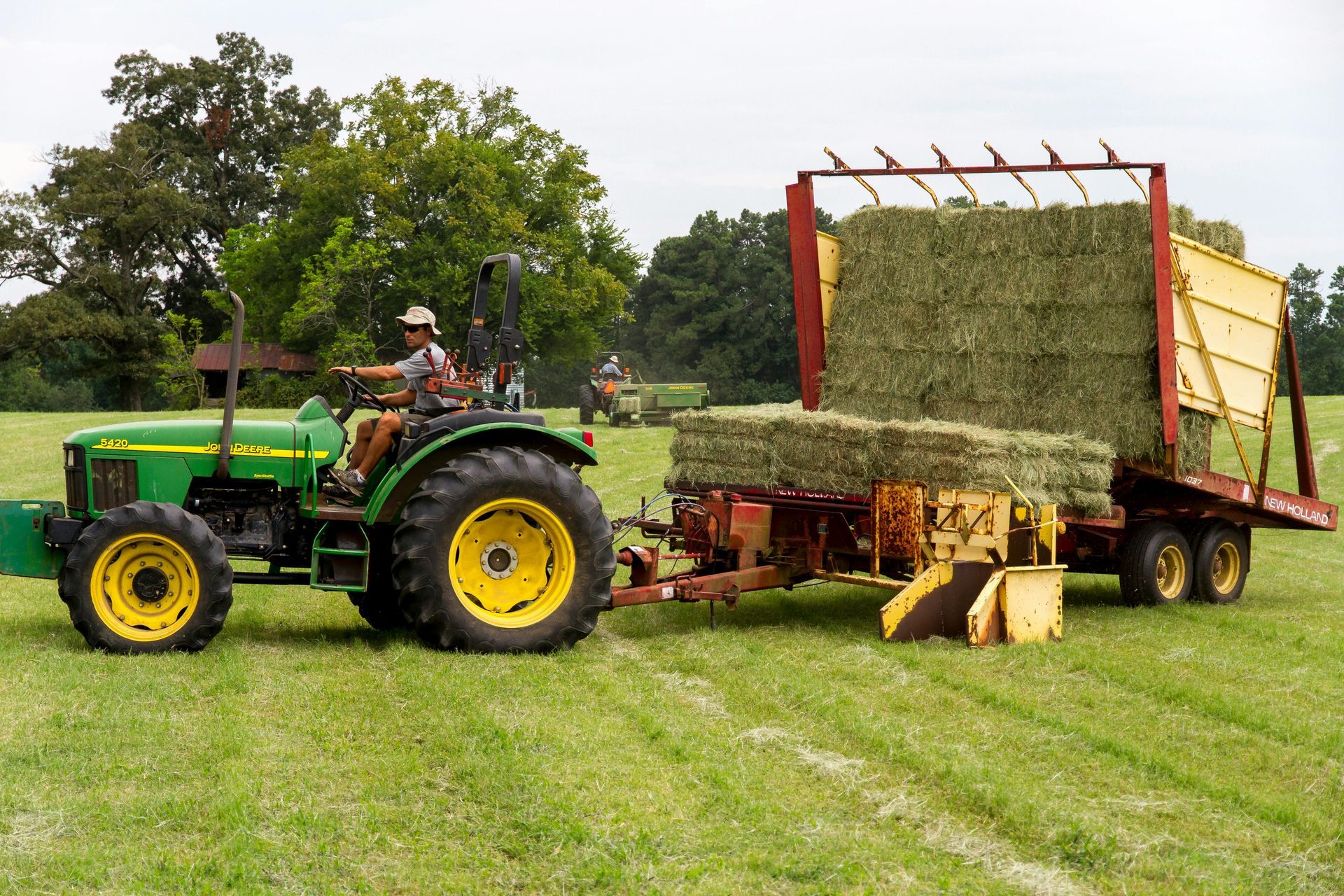
- Uniform bale size and weight
Buying directly from a local farm allows for inspection and consistency across loads.
Peña Blanca offers convenient access for buyers in Albuquerque, Santa Fe, and surrounding regions seeking dependable hay supplies.
Frequently Asked Questions About High-Protein Alfalfa Hay
Is high-protein alfalfa hay good for all livestock?
Most livestock benefit from alfalfa hay, but feeding rates should be adjusted to avoid excess protein, especially for animals on maintenance diets.
Does higher protein mean better hay?
Protein is important, but overall quality also depends on digestibility, cleanliness, and proper curing.
Can high-protein alfalfa hay replace grain?
In some cases, high-quality alfalfa hay can reduce the need for grain, but complete replacement depends on the animal’s production level.
How can protein loss in hay be prevented?
Harvest timing, gentle handling, and proper storage are key to preserving protein content.
Supplying High-Quality Alfalfa Hay From a Local Farm
Reliable hay sourcing supports healthier animals and more efficient feeding programs. Purchasing directly from a trusted local producer ensures transparency, freshness, and consistent quality.
Hidalgo Farms provides USDA Certified Organic alfalfa hay with strong protein levels for livestock owners across New Mexico.
Location: 17 Acequia Road, Peña Blanca, NM 87041
Phone:
(505) 659-3539
Email:
pskrakmega@aol.com
Hours: Open daily from 8:00 AM to 8:00 PM