Non-GMO Alfalfa Hay: Why It Matters for Your Animals
The Benefits of Non-GMO Alfalfa Hay for Livestock and Pets
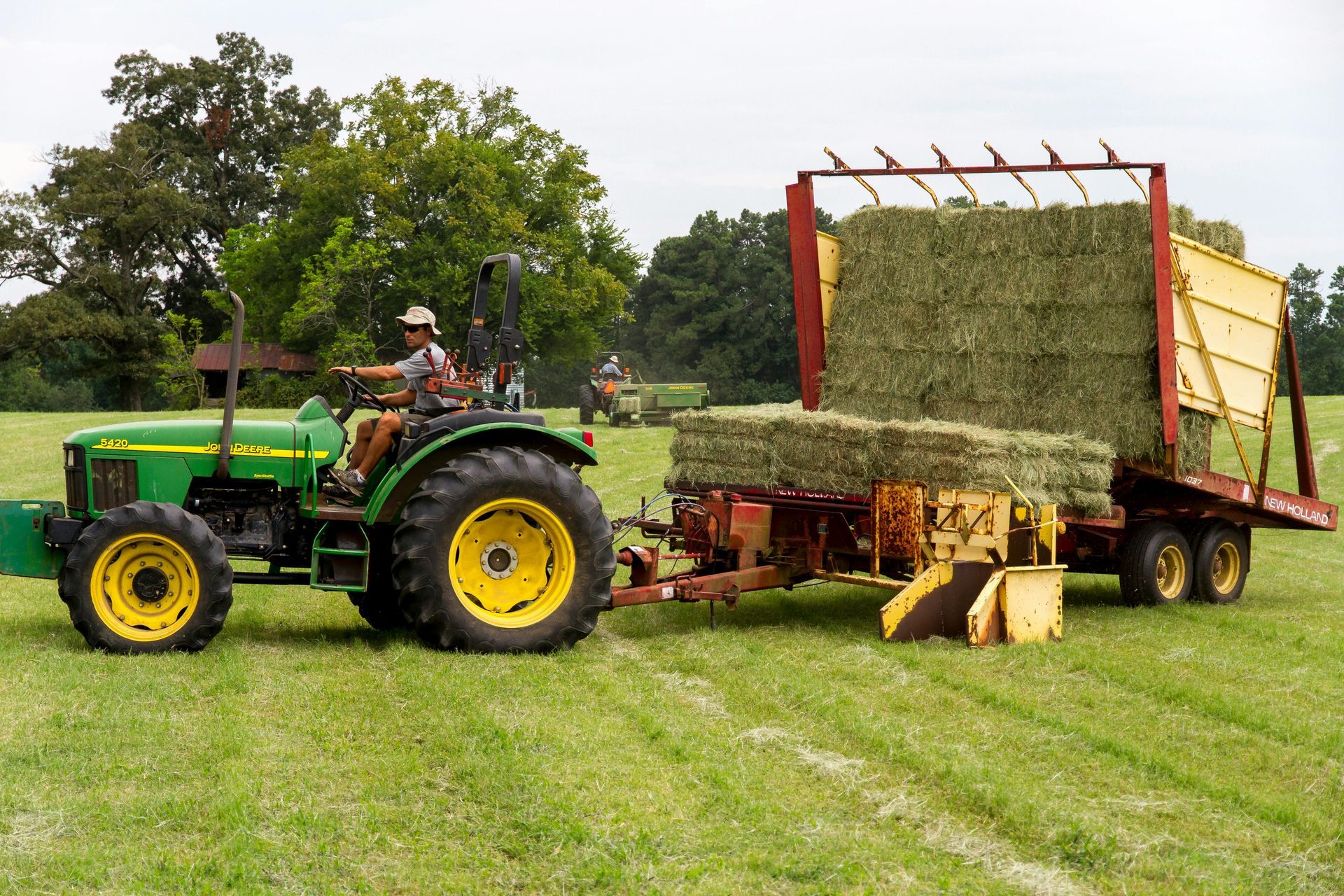
Non-GMO alfalfa hay has become an increasingly important choice for livestock owners, horse owners, and farmers who want greater control over what their animals consume. As awareness grows around genetically modified crops and long-term feed quality, many buyers are intentionally seeking out non-GMO forage as part of a more natural and transparent feeding program.
This article explains what non-GMO alfalfa hay is, why it matters for animal health, how it differs from conventional options, and what buyers should look for when sourcing hay locally in New Mexico.
At Hidalgo Farms, non-GMO alfalfa hay is produced under USDA Certified Organic standards, ensuring clean, traceable feed for horses and livestock.
What Does Non-GMO Alfalfa Hay Mean?
Non-GMO alfalfa hay is grown from seed that has not been genetically modified. This means the plant’s genetic structure has not been altered in a laboratory to resist herbicides or pests.
In the United States, genetically modified alfalfa is primarily engineered to tolerate specific herbicides. While legal and widely used, some buyers prefer non-GMO hay due to concerns about long-term health effects, chemical dependency, and compatibility with organic or natural feeding programs.
Non-GMO alfalfa hay is:
- Grown from non-genetically engineered seed
- Free from herbicide-resistant traits
- Compatible with organic livestock standards
- Preferred by buyers seeking minimal intervention agriculture
Why Non-GMO Feed Matters for Animals
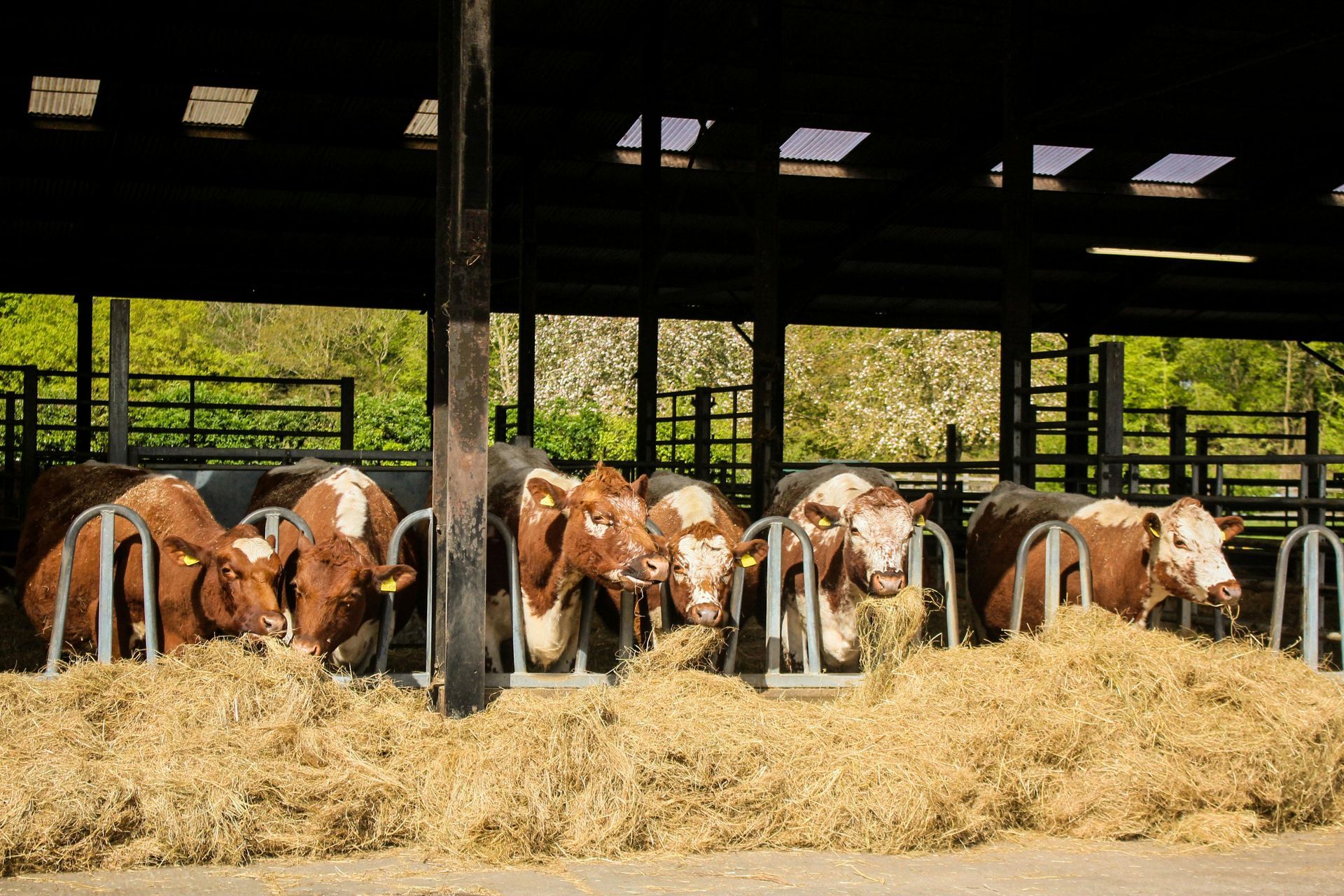
Animals rely on consistent, high-quality forage for digestion, immune health, reproduction, and performance. While research on GM feed continues, many livestock owners choose non-GMO hay as a precautionary and values-based decision.
Reasons buyers choose non-GMO alfalfa hay include:
- Reduced exposure to herbicide-dependent crops
- Alignment with natural and organic feeding practices
- Greater transparency in feed sourcing
- Confidence for sensitive or high-value animals
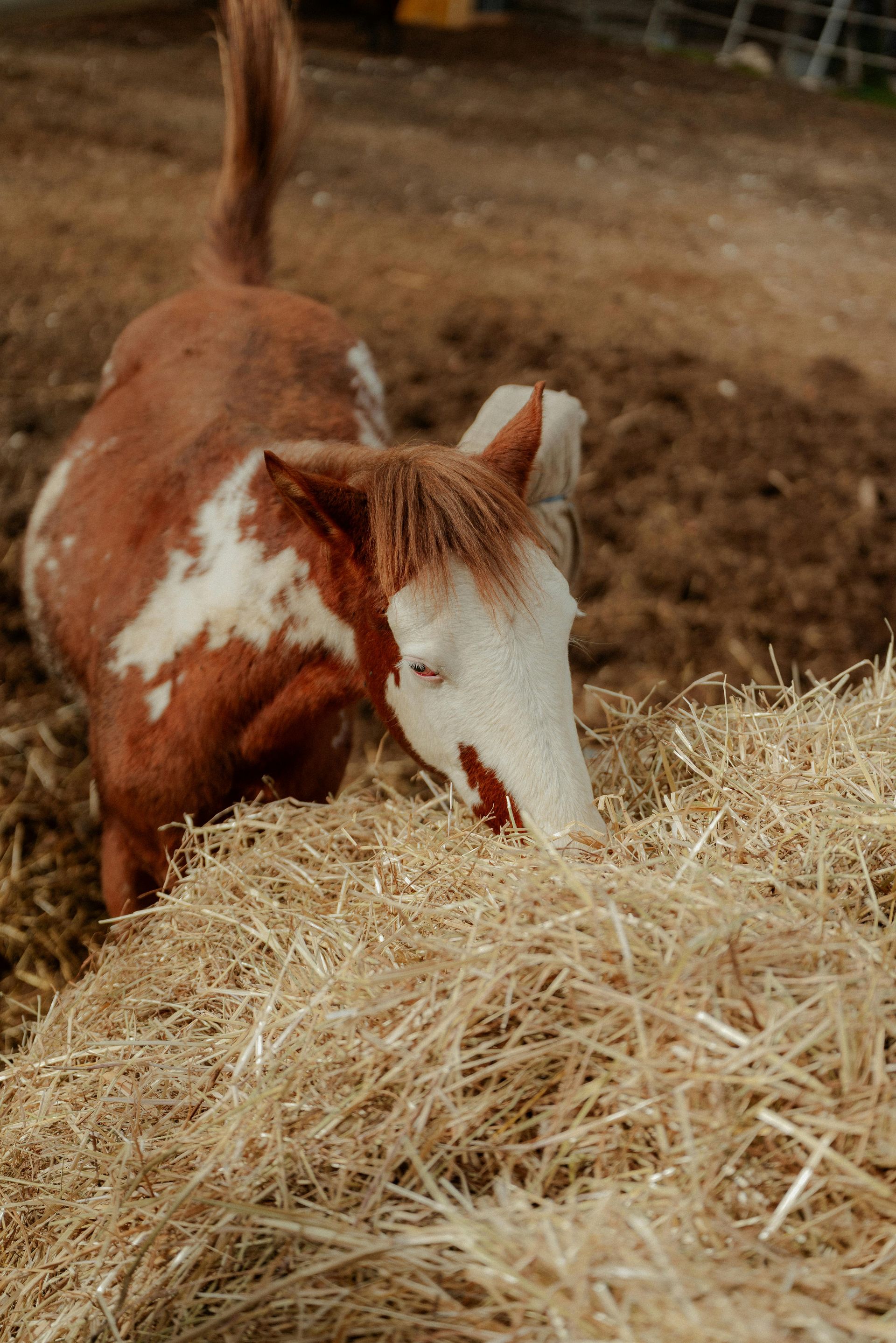
For horse owners in particular, consistency and cleanliness in hay can help reduce digestive upset and feeding-related stress.
Non-GMO Alfalfa Hay and Organic Certification
USDA Certified Organic alfalfa hay is always non-GMO. Organic standards strictly prohibit the use of genetically modified seeds and require detailed documentation from planting through harvest.
Organic hay production also requires:
- No synthetic herbicides or pesticides
- No synthetic fertilizers
- Soil health and crop rotation practices
- Annual third-party inspections
For buyers, organic certification adds an extra layer of verification that non-GMO claims are backed by regulated standards, not assumptions.
Nutritional Benefits of Non-GMO Alfalfa Hay
From a nutritional standpoint, non-GMO alfalfa hay provides the same core benefits as high-quality alfalfa while offering peace of mind about how the crop was grown.
Key nutritional benefits include:
- High protein content for muscle development
- Excellent digestibility
- Strong calcium levels for bone support
- High palatability for improved intake
These qualities make non-GMO alfalfa hay well suited for animals with increased nutritional demands.
Animals That Benefit Most From Non-GMO Alfalfa Hay
Non-GMO alfalfa hay is commonly fed to:
- Performance and working horses
- Dairy cattle and dairy goats
- Beef cattle during growth phases
- Pregnant or lactating animals
- Sheep and goats requiring nutrient-dense forage
While beneficial, feeding amounts should always be adjusted based on species, workload, and production stage.
Non-GMO Alfalfa Hay vs Conventional Alfalfa Hay
Understanding the differences between non-GMO and conventional alfalfa hay helps buyers make informed decisions.
Non-GMO Alfalfa Hay
- Grown from non-modified seed
- Often paired with organic production methods
- Preferred for natural and organic programs
- Focused on long-term soil and crop health
Conventional Alfalfa Hay
- May include genetically modified seed
- Often relies on herbicide-resistant traits
- Lower production cost in some cases
- Quality varies by grower and practices
While both can be nutritionally adequate, many buyers choose non-GMO hay for traceability and alignment with natural feeding goals.
The Role of Soil Health in Non-GMO Hay Quality
Non-GMO and organic hay production emphasizes soil health rather than chemical intervention. Healthy soil supports stronger root systems, better nutrient uptake, and more resilient crops.
Practices that support quality hay include:
- Crop rotation
- Natural soil amendments
- Responsible irrigation
- Timely harvesting
These methods contribute to consistent forage quality and reliable nutrition for animals.
Climate and Non-GMO Alfalfa Hay in New Mexico
New Mexico’s dry climate offers advantages for producing clean, high-quality non-GMO alfalfa hay. Lower humidity reduces mold risk and supports effective curing when harvesting is timed correctly.
However, storage remains critical. Hay should be:
- Kept off the ground
- Protected from rain and ground moisture
- Stored with proper airflow
Buying locally helps minimize transport damage and preserves bale integrity.
Buying Non-GMO Alfalfa Hay in New Mexico
When sourcing non-GMO alfalfa hay, buyers should look for:
- Clear confirmation of non-GMO or organic status
- Bright green color and leafy texture
- Minimal dust and foreign material
- Consistent bale size and weight
Purchasing directly from a local farm allows buyers to inspect hay before purchase and establish a reliable supply relationship.
Peña Blanca is centrally located for buyers in Albuquerque, Santa Fe, and surrounding areas, making pickup convenient for both small and bulk orders.
Frequently Asked Questions About Non-GMO Alfalfa Hay
Is non-GMO alfalfa hay safer for animals?
Many buyers believe non-GMO hay offers greater peace of mind, especially for sensitive or high-value animals, though both types can be nutritionally adequate when produced responsibly.
Is organic alfalfa hay always non-GMO?
Yes. USDA Certified Organic standards prohibit genetically modified seed.
Does non-GMO hay cost more?
Non-GMO and organic hay may cost more due to seed sourcing, lower yields, and certification requirements, but many buyers value the consistency and transparency.
Can non-GMO alfalfa hay be fed daily?
Yes. It can be fed daily as part of a balanced feeding program appropriate for the animal’s needs.
Sourcing Non-GMO Alfalfa Hay From a Local Farm
Reliable feed sourcing supports healthier animals and more predictable feeding outcomes. Buying directly from a local producer provides transparency and confidence in how hay is grown and handled.
Hidalgo Farms produces USDA Certified Organic, non-GMO alfalfa hay for horse owners and livestock operations across New Mexico.
Location: 17 Acequia Road, Peña Blanca, NM 87041
Phone:
(505) 659-3539
Email:
pskrakmega@aol.com
Hours: Open daily from 8:00 AM to 8:00 PM